
Recent news
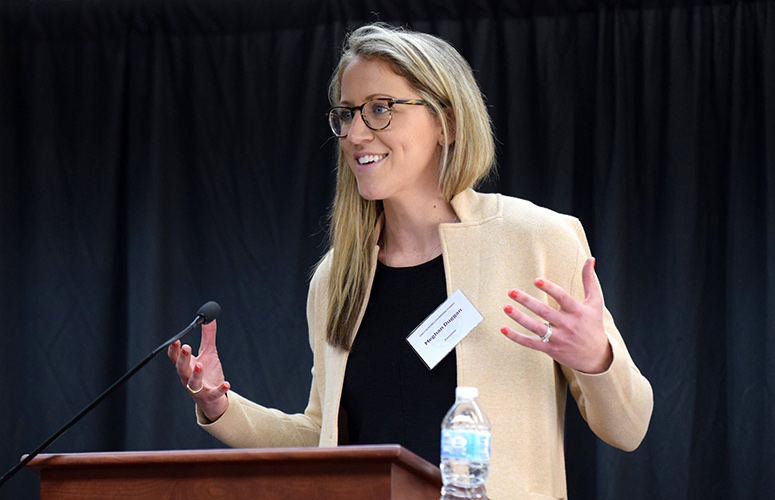
She’s golden — and a Badger: Olympian Meghan Duggan to keynote spring commencement
The UW–Madison spring commencement speaker is a Badger legend and trailblazer who scaled the heights of her sport, winning Olympic gold in women’s hockey as captain of Team USA in 2018.


Connect with Chancellor Mnookin on Social

 ;
;
A pleasure to participate in Madison’s 42nd Annual Crazylegs Classic as this year’s grand marshal and celebrate #UW175, support @UWBadgers, and cheer on more than 9,000 participants (including my husband Joshua). A big CONGRATS to all who ran (8k!), walked, or wheeled.


On, Wisconsin!
Your Badgers are ranked No. 9 in the nation in the @LDirectorsCup standings through the winter season.
🔗| https://bit.ly/3UfDS5Y

What better time to celebrate @UWMadison’s glorious Arboretum than on #ArborDay? Here’s a photographic stroll through spring, summer, fall and winter in the world’s oldest and most varied collection of restored ecological communities.
We were delighted to welcome @Kohls Chief People Officer Mari Steinmetz to campus this week. Her visit included a classroom presentation to students, connections with staff at @UWSoHE and a meeting with @uwchancellor to discuss Kohl’s impactful partnership with UW–Madison.
View this profile on Instagram
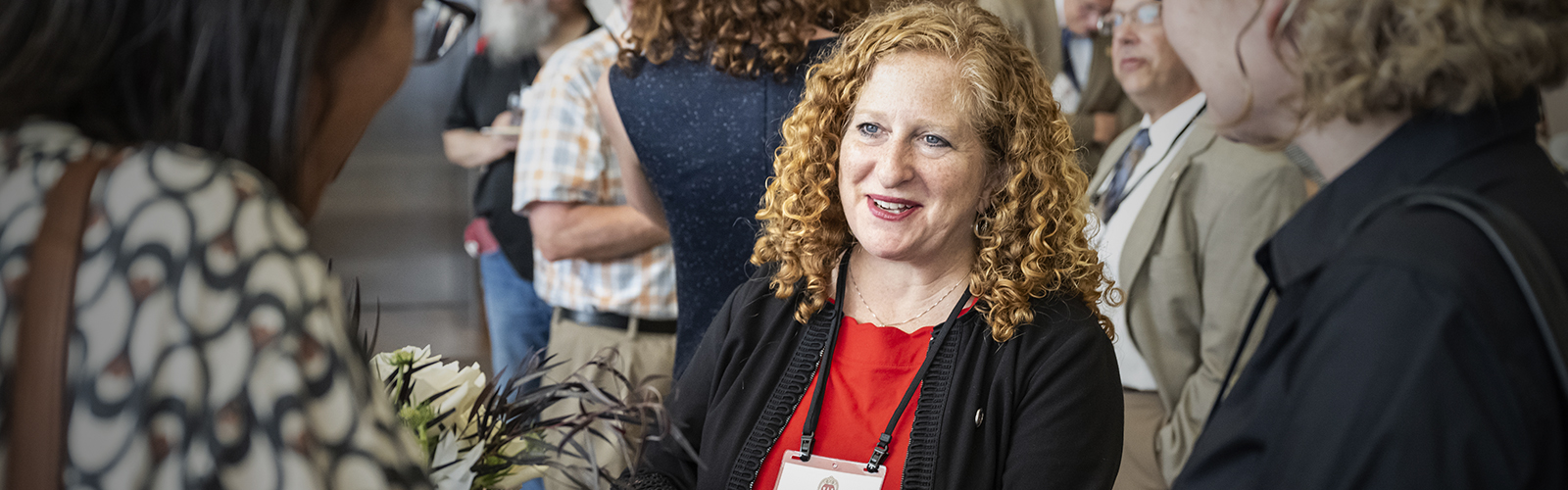
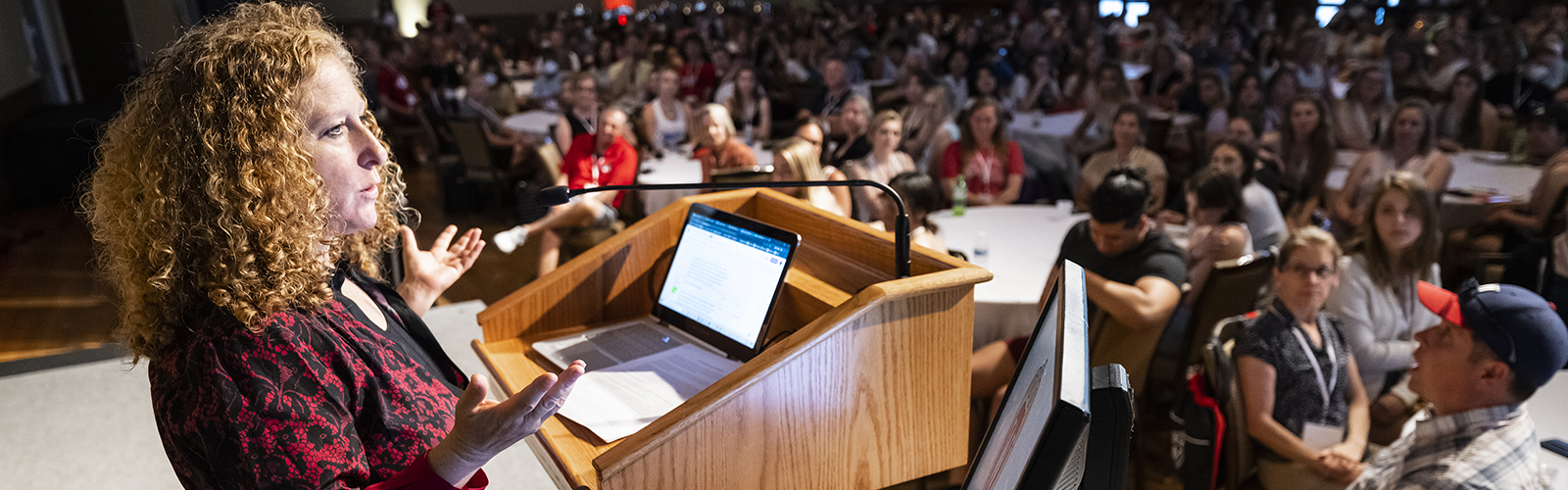
Mnookin’s Road to Wisconsin
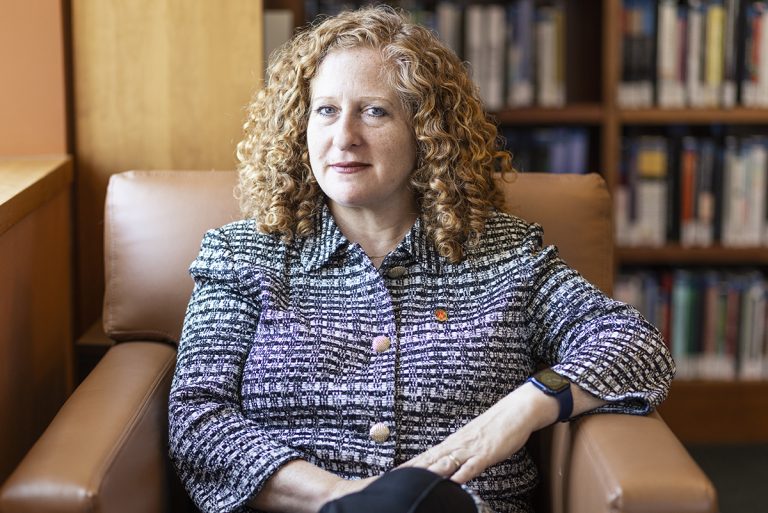
Mnookin brings deep experience, wide perspective
Every incoming UW–Madison leader professes to understand the Wisconsin Idea. For Jennifer Mnookin, it’s deeply personal. Mnookin says she won’t shy away from challenges, and promises a leadership style that emphasizes listening. “Vision comes through collaboration and engagement — working together to find common purpose,” she says. “We will look for ways to improve the institution that you love, and that I am coming to love.”
Community Comments
Institutional Statement on Diversity
Diversity is a source of strength, creativity, and innovation for UW–Madison. We value the contributions of each person and respect the profound ways their identity, culture, background, experience, status, abilities, and opinion enrich the university community. We commit ourselves to the pursuit of excellence in teaching, research, outreach, and diversity as inextricably linked goals.
The University of Wisconsin–Madison fulfills its public mission by creating a welcoming and inclusive community for people from every background—people who as students, faculty, and staff serve Wisconsin and the world.
UW–Madison is going to be in great hands under Jennifer Mnookin’s leadership as she takes the baton and builds on the strong legacy of Chancellor Blank. Collaborative leadership is at her core and she has extensive prior experience with shared governance. She brings vision, high energy, a deep appreciation of the Wisconsin Idea, a passion for students who are at the heart of all that we do, a genuine commitment to fostering an inclusive campus, and an impressive understanding of the opportunities before us.
Jennifer Mnookin’s innovative approaches to education, research, service and diversity provide a strong foundation for leading Wisconsin’s flagship university. She has a personal, intimate understanding of the Wisconsin Idea and will be a tremendous asset to our state.